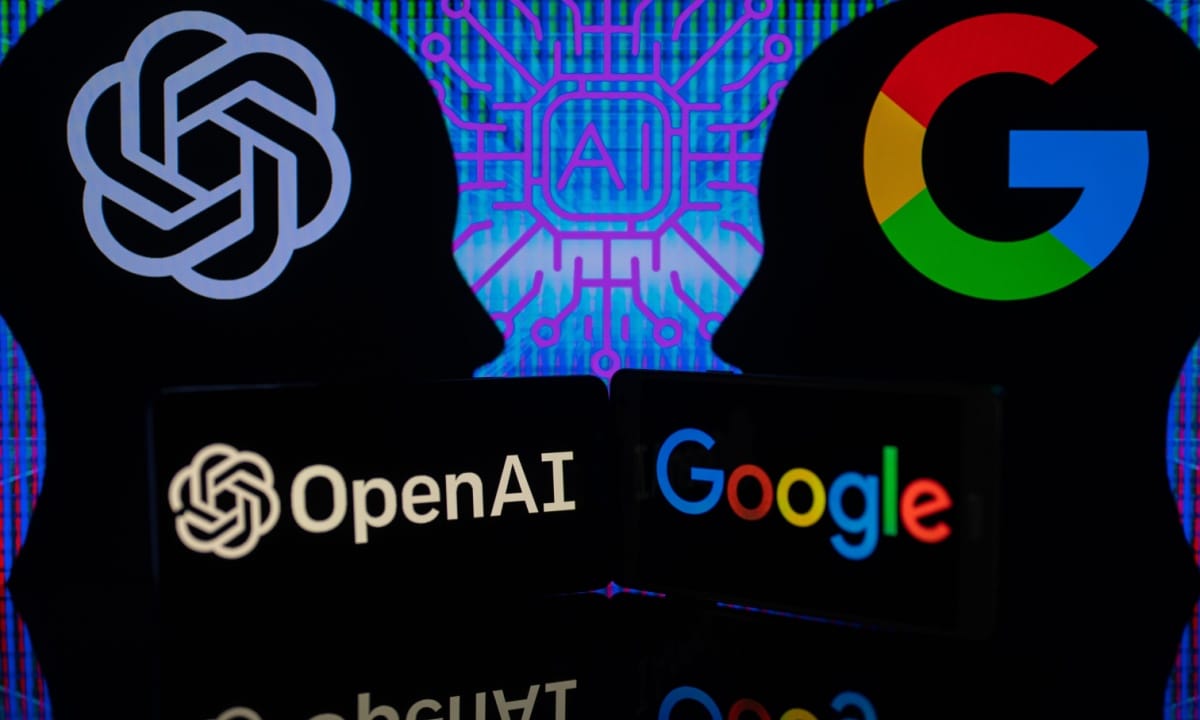
Critical PHP Security Flaws Trigger Global Website Alerts After AI-Assisted Discovery
Critical vulnerabilities in PHP have triggered urgent security warnings after researchers used advanced AI tools to help identify flaws that could allow remote code execution and server compromise. PHP maintainers released security updates on October 21, prompting organisations to patch affected systems immediately or consider taking vulnerable services offline until they are secured.
Written by
Anifoards Insights
Published
October 21, 2026

Critical PHP Security Flaws Trigger Global Website Alerts After AI-Assisted Discovery
Critical vulnerabilities in PHP, one of the internet's widely used programming languages, have triggered urgent security warnings after researchers identified flaws that could expose vulnerable web servers to remote attacks.
The vulnerabilities affect PHP's core runtime, the software responsible for executing PHP code on web servers. If successfully exploited on vulnerable systems, the flaws could allow attackers to execute malicious code, access sensitive information, or compromise affected infrastructure.
The PHP development team released security updates on October 21, urging administrators to update affected installations immediately. The incident has also highlighted how advanced artificial intelligence tools are changing the process of discovering and investigating software vulnerabilities.
According to Reuters' report on the critical PHP vulnerabilities and emergency security updates, the flaws prompted urgent responses from organisations responsible for protecting internet infrastructure.
What Happened?
Security researchers identified two critical vulnerabilities in PHP's core software. The issues were serious enough to prompt coordinated work among researchers, software maintainers, and cybersecurity organisations before the vulnerabilities were publicly disclosed.
PHP powers many websites and web applications, including systems built using popular content-management platforms. Because it is widely deployed, a serious vulnerability in the language's core components can affect a broad range of organisations.
The official PHP security notice identifies the affected releases and urges users to install the relevant patched versions. The vulnerabilities include risks associated with remote code execution, which can potentially allow an attacker to run unauthorised commands on a vulnerable server.
The incident does not mean every PHP-powered website has been compromised. The risk depends on the software version, server configuration, exposure, and whether the necessary security updates have been applied.
How AI Helped Researchers Find the Vulnerabilities
The discovery has drawn particular attention because advanced AI models contributed to the vulnerability research process.
In its official explanation of the Patch the Planet initiative, OpenAI described how researchers and security partners worked with software maintainers to identify, investigate, and address critical PHP vulnerabilities before public disclosure.
AI tools can help security researchers analyse complex codebases, explore unusual execution paths, develop test cases, and investigate whether a suspected weakness can be exploited.
These capabilities can be valuable when vulnerabilities involve complicated interactions between different parts of a software system. Tasks that previously required extensive manual investigation may become easier to explore with AI assistance.
However, AI does not replace expert verification. Researchers must still establish whether a suspected flaw is real, determine its potential impact, test proposed fixes, and coordinate responsible disclosure.
The incident demonstrates both the defensive potential of AI-assisted security research and the importance of ensuring that critical discoveries are handled carefully.
Why the Vulnerabilities Are Serious
Remote code execution vulnerabilities are among the most concerning software security issues because they may allow an attacker to run unauthorised code on a target system.
Depending on the affected environment and the privileges available to the compromised process, successful exploitation could lead to data theft, website modification, unauthorised access, or further attacks against connected systems.
The vulnerabilities also raise concerns for organisations that maintain large numbers of websites or rely on third-party hosting providers. A business may not realise that an application depends on a vulnerable PHP installation until its hosting environment or software inventory is reviewed.
Security teams therefore need to identify affected versions, assess exposure, apply the correct patches, and investigate suspicious activity where appropriate.
The vulnerabilities should not be interpreted as proof that attackers have successfully compromised every affected system. A potential weakness and a confirmed breach are different things, and each organisation must assess its own situation.
Why Some Websites Were Taken Offline
When a critical vulnerability becomes public, organisations sometimes temporarily disable exposed services if they cannot apply a fix immediately or establish that the systems are adequately protected.
This can reduce exposure while administrators update software, review configurations, and verify that essential services can be restored safely.
Reuters reported that some government websites and other online services were taken offline as organisations responded to the PHP vulnerabilities.
Such precautionary action can disrupt access to public information and online services, but it may be justified when the potential consequences of leaving an exposed system online are severe.
The appropriate response depends on each system's risk, the availability of patches, and the protective measures that can be applied while updates are being implemented.
What Website Owners and Businesses Should Do
Organisations using PHP should treat the security notices as urgent and follow the guidance provided by the PHP development team and their hosting or security providers.
**1. Identify affected systems.** Review PHP versions across production servers, websites, applications, and managed hosting environments.
**2. Install the appropriate security updates.** Use the official release guidance to determine which patched version applies to each installation.
**3. Review exposed services.** Assess internet-facing systems and consider temporary restrictions or taking a vulnerable service offline if adequate protection cannot be established promptly.
**4. Check for suspicious activity.** Review relevant logs, alerts, and system behaviour for signs of unauthorised access or exploitation.
**5. Verify the fix.** Confirm that the patched version is running and that affected services are operating securely after the update.
**6. Maintain an inventory.** Keep records of software versions and dependencies so that future security advisories can be assessed quickly.
These are general security measures. Administrators should follow the official PHP advisory and their organisation's incident-response procedures rather than relying on generic instructions alone.
The Wider Implications for AI and Cybersecurity
The incident highlights an increasingly important issue for the technology industry: AI can help defenders discover weaknesses, but more capable tools can also change the speed and accessibility of vulnerability research.
Organisations may benefit from using AI to support code analysis, testing, threat detection, and remediation. At the same time, they must maintain controls over how these tools are used and ensure that discoveries are verified before action is taken.
The security of the internet depends not only on identifying flaws but also on maintaining software, distributing fixes, and applying updates across millions of systems.
This creates a shared responsibility for software developers, hosting providers, cybersecurity researchers, businesses, and government agencies.
What Happens Next?
The immediate priority is for organisations using affected PHP versions to apply the relevant security updates and verify that their systems are protected.
Security researchers and defenders will also monitor for exploitation attempts and investigate whether vulnerable systems were targeted before patches were widely installed.
For software maintainers, the incident may prompt further discussion about code security, vulnerability disclosure, and how AI-assisted research can be integrated into established security processes.
The longer-term impact will depend on how quickly organisations update affected systems and how effectively the technology industry responds to vulnerabilities discovered with increasingly capable AI tools.
Conclusion
Critical PHP vulnerabilities have prompted urgent security action and highlighted the importance of maintaining widely used internet software.
AI-assisted research played a role in identifying the weaknesses, demonstrating how advanced tools can support defensive cybersecurity work. But discovering a vulnerability is only the beginning: organisations must still apply patches, assess exposure, and verify that their systems are secure.
For businesses and website operators, the immediate lesson is to take the official advisories seriously and update affected installations without unnecessary delay.
For the broader technology industry, the incident is a reminder that AI is changing cybersecurity on both sides of the equation—and that responsible research, coordinated disclosure, and rapid remediation are essential to protecting the internet.
Community
Comments
Sign in to join the conversation.
Sign inContinue reading
More from Breaking

Oil Hits Five-Month High as Middle East Escalation Raises Global Energy Crisis Fears
Global oil prices have climbed to their highest levels in more than five months amid escalating Middle East tensions and concerns about potential disruptions to energy supplies and shipping routes. A sustained increase in crude prices could raise transportation costs, intensify inflationary pressure and create fresh uncertainty for businesses and financial markets worldwide.