
Oil Hits Five-Month High as Middle East Escalation Raises Global Energy Crisis Fears
Global oil prices have climbed to their highest levels in more than five months amid escalating Middle East tensions and concerns about potential disruptions to energy supplies and shipping routes. A sustained increase in crude prices could raise transportation costs, intensify inflationary pressure and create fresh uncertainty for businesses and financial markets worldwide.
Written by
Anifoards Insights
Published
October 23, 2026
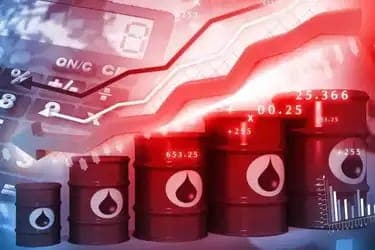
Oil Hits Five-Month High as Middle East Escalation Raises Global Energy Crisis Fears
Global energy markets are facing renewed uncertainty as escalating tensions in the Middle East push crude oil prices higher and raise concerns about the security of international energy supplies.
Brent crude, the international oil benchmark, reached a five-month high during trading on October 23, according to reports. Market concerns intensified amid reports of attacks affecting Saudi Arabian targets and fears of renewed military action involving the United States, Israel and Iran.
According to Reuters' reporting on global markets and rising oil prices, geopolitical uncertainty has added pressure to financial markets already dealing with concerns about technology valuations and AI investment.
Why Middle East Tensions Matter to Oil Markets
The Middle East is a major oil-producing region and an important part of the international energy transportation network.
When conflict threatens production facilities, export infrastructure or shipping routes, traders may anticipate reduced supply, higher transportation costs or delays in deliveries.
Oil prices can rise before an actual shortage develops because markets respond to expectations about future supply and demand.
The extent of the impact will depend on whether the conflict intensifies, whether energy infrastructure is affected and how quickly alternative supplies can compensate for any disruption.
How Higher Oil Prices Affect the Global Economy
Oil is a major input for transportation, aviation, logistics, manufacturing and numerous other industries.
When crude prices rise, companies may face higher fuel bills, more expensive deliveries and increased production costs. Businesses with limited pricing power may have to absorb some of these increases, putting pressure on profit margins.
Other companies may pass higher costs on to customers, contributing to more expensive goods and services.
Higher energy costs can also affect agriculture and food distribution, where fuel and transportation play important roles.
For consumers, sustained increases in fuel prices can reduce disposable income and leave less money available for other spending.
## Inflation and Interest Rates Face Renewed Uncertainty
Higher oil prices can complicate the outlook for inflation.
Energy costs directly influence some consumer prices and can indirectly affect products that require transportation, electricity or energy-intensive manufacturing.
If higher costs persist, central banks may face a more difficult balancing act between controlling inflation and supporting economic growth.
A temporary increase in oil prices may have a limited impact on broader inflation. A prolonged energy shock, however, could place more sustained pressure on businesses and households.
The eventual consequences will depend on how long prices remain elevated and how the wider economy responds.
Financial Markets Face Competing Risks
The rise in oil prices comes amid a volatile period for global financial markets.
Technology stocks have faced pressure as investors reassess the enormous investments required to expand AI infrastructure and the returns those investments may generate.
At the same time, geopolitical tensions have increased concerns about energy costs and the potential effects on corporate earnings.
Higher oil prices can benefit energy producers while creating challenges for airlines, transportation businesses and manufacturers with substantial fuel expenses.
The overall market impact will depend on the duration of the energy shock and its effect on inflation, economic growth and corporate profitability.
What Businesses Should Watch
Organisations exposed to fuel and energy costs should review their budgets and identify where prolonged price increases could affect operations.
Companies that rely on international shipping should assess contingency plans for delivery delays, higher insurance costs and possible route changes.
Investors and business leaders should monitor developments affecting oil production, shipping security and regional diplomacy rather than relying on a single day's price movement.
What Happens Next?
Oil prices will remain sensitive to geopolitical developments, the security of energy infrastructure and expectations for global supply and demand.
A reduction in tensions could ease some of the risk premium embedded in prices. Further escalation or disruption to energy shipments could sustain upward pressure, although the extent of any additional movement remains uncertain.
The key question for the global economy is whether the recent increase proves temporary or develops into a prolonged period of elevated energy costs.
Conclusion
The rise in crude oil prices highlights the close connection between geopolitical stability and the global economy.
Higher energy costs can affect businesses, households, inflation and financial markets, particularly when uncertainty persists over the availability and transportation of supplies.
For businesses and investors, monitoring energy exposure and preparing for potential cost volatility will be essential while tensions remain elevated.
Community
Comments
Sign in to join the conversation.
Sign inContinue reading
More from Breaking

AI-Discovered Software Vulnerabilities Trigger Global Cybersecurity Alarm
Artificial intelligence is accelerating the discovery of software vulnerabilities, raising concerns about cyberattacks and digital service disruptions worldwide. Security experts warn that organisations must strengthen their defences and patch vulnerable systems faster as AI transforms the cybersecurity landscape.